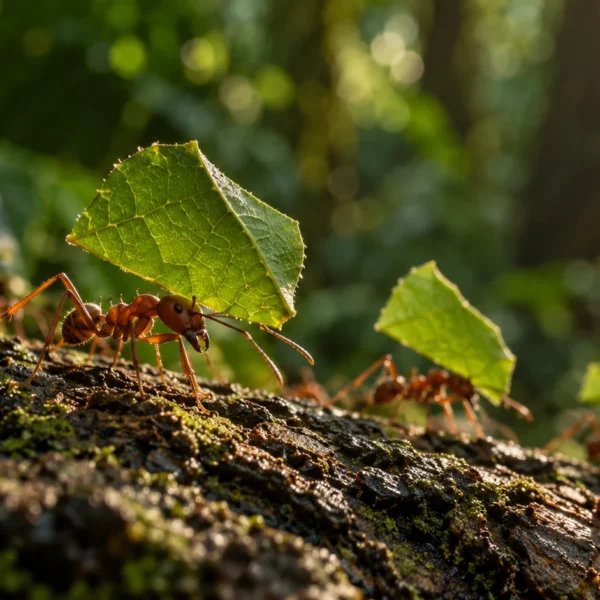
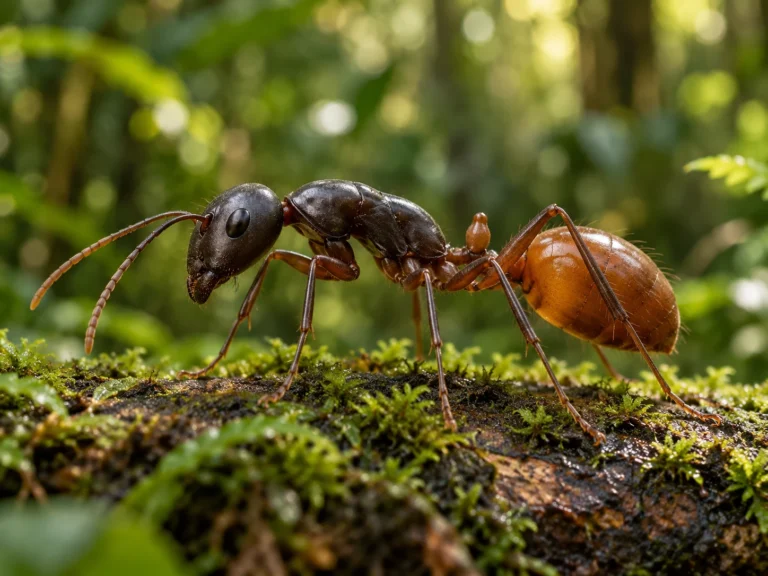
Atta cephalotes

Hairy-headed leafcutter ant

Also known as Leafcutter ant, Giant leafcutter ant (trade name)

  • Difficulty Advanced level
  • Origin North America, South America

A leafcutter ant that grows its own fungus garden: a showpiece colony for experienced ant keepers, with millions of workers in nature.

€450.00 Currently unavailable

Origin
North America, South America (Central and South America, from southern Mexico to Bolivia and Brazil)
Difficulty
Advanced level
Worker ant length
Varies by caste: from about 3 mm (smallest workers) to roughly 16–20 mm (largest workers)
Queens
One queen (monogynous)
Winter rest
Not required
Climate
Tropical

About this species

Atta cephalotes is a leafcutter ant from the Neotropics, found from southern Mexico through Central America to Bolivia and Brazil. It belongs to the fungus-growing ants, the tribe Attini, and is commonly called the hairy-headed leafcutter ant.

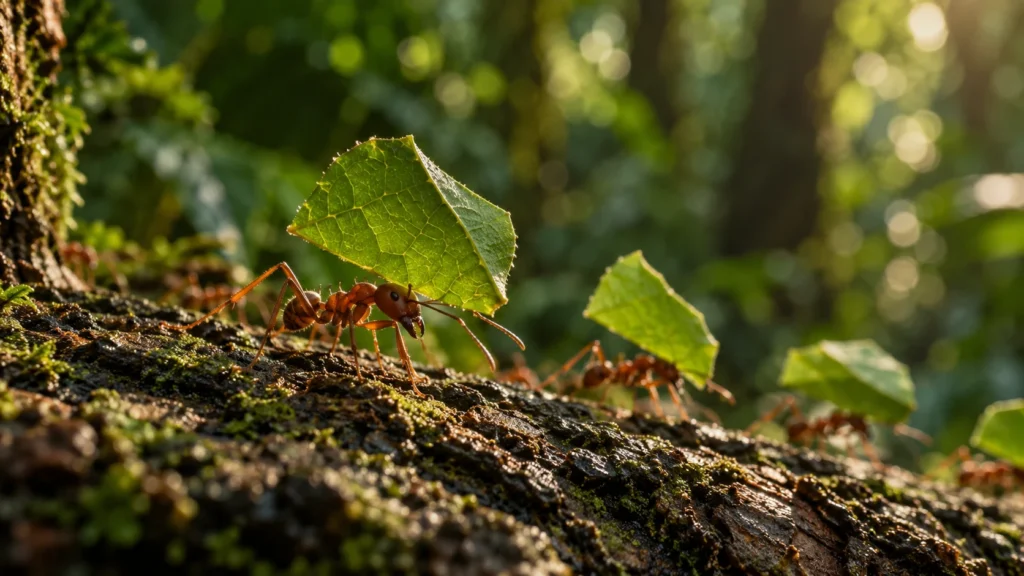
Leafcutters do not eat the leaves they cut. The plant material is carried into the nest and used to grow a fungus, Leucoagaricus gongylophorus, which is the colony’s main food. Worker sizes vary greatly, from tiny gardeners to large soldiers, and a mature colony in nature can contain millions of workers and a single, long-lived queen.

Because the whole colony depends on its fungus, this species asks for more than most: warmth, very high humidity, good air exchange and a setup that can grow. It suits experienced ant keepers who enjoy a demanding project. Rules for keeping or importing leafcutter ants differ between countries, so please ask ANTELYX about your destination before ordering.

Identification

Workers vary greatly in size: small minims, medium-sized medias and large majors with powerful mandibles.

Worker ant length
Varies by caste: from about 3 mm (smallest workers) to roughly 16–20 mm (largest workers)
Queen length
About 29–30 mm
Worker ant sizes
Polymorphic (many worker sizes)

Taxonomy notes. Originally described as Formica cephalotes by Linnaeus in 1758 (Systema Naturae, 10th edition) and transferred to the genus Atta by Fabricius in 1804, which is why the authority is written in parentheses.

Natural habitat and range

Tropical forest, both intact and disturbed, including secondary growth and forest edges.

The Neotropics: from southern Mexico through Central America to South America, including the Amazon basin and north-eastern Brazil.

Behaviour

Medium-sized workers harvest leaves and follow pheromone trails to the nest. The smallest workers tend the fungus inside the nest and the largest defend the colony.

The whole colony depends on its fungus garden. Queens are long-lived, potentially for many years. In nature a mature colony can harvest several hundred kilograms of plant material in a year.

Defensiveness
Defensive when disturbed

Colony development

A colony starts from a single queen and a small fungus garden. Growth is slow at first and then rapid. Mature colonies occupy large underground nests and hold millions of workers.

Ant-keeping sources report that egg to adult takes about 6 to 10 weeks, depending on temperature.

Queens
One queen (monogynous)
Maximum size
Mature colonies can reach millions of worker ants. Up to about 5 million is reported.

Care requirements

Ant-keeping sources agree on a nest temperature of about 24–26 °C, measured where the fungus is, with no winter rest. The fungus garden needs very high humidity and air exchange; the humidity figures in the sources differ widely (from 60–80 up to 95–99 percent), so no single humidity figure is published. Leaves and other fresh plant material feed the fungus; the ants do not eat the leaves.

Temperature
24–26 °C
Nest type
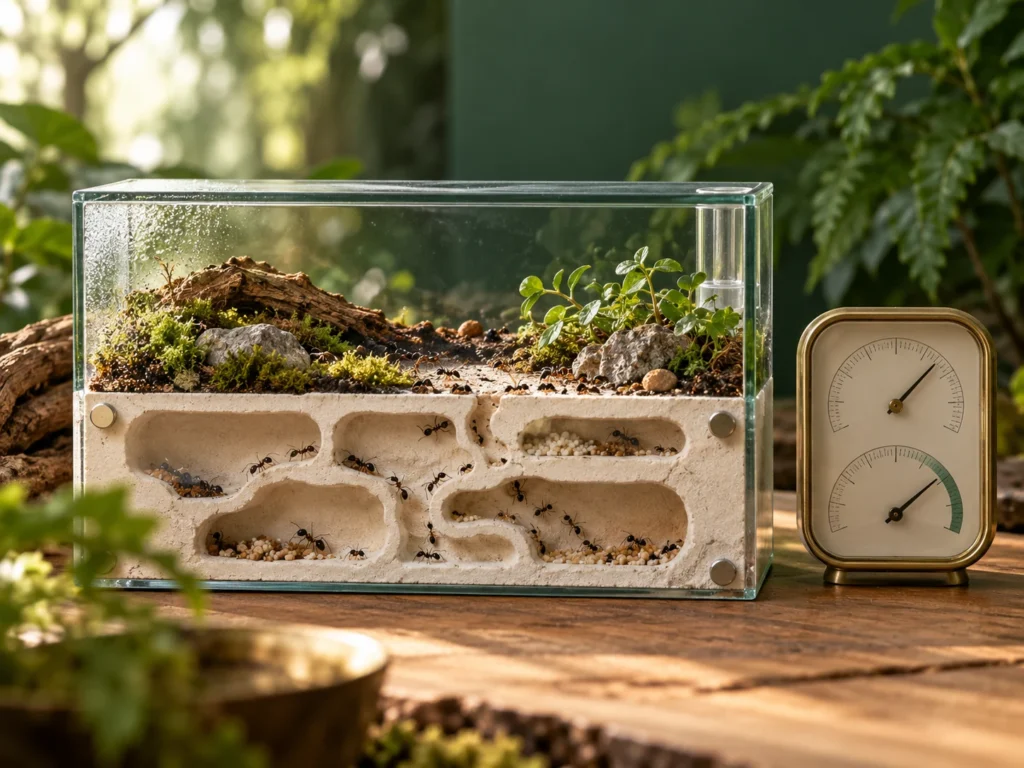
Several connected containers for the fungus garden, with a separate foraging area
Nest size
Large and expandable: the colony grows from one queen to a very large workforce
Winter rest
Not required
Experience level
Advanced ant keepers: needs a fungus garden, high humidity and good air exchange
Space
Large

Feeding

Workers cut fresh leaves, flowers and other plant material, but they do not eat it. It is used to grow a fungus (Leucoagaricus gongylophorus) in the nest, and the fungus is the colony's main food.

Nest requirements

Nest type. Several connected containers for the fungus garden, with a separate foraging area

Recommended nest size. Large and expandable: the colony grows from one queen to a very large workforce

Available Colonies

Colonies of this species that are currently listed. Not sure which to choose, or want to know more? Ask us before you order.

Shipping notes

Whether this species can be shipped depends on your destination country. Check the shipping information before you order.

Frequently asked questions

Questions about this species.

Do leafcutter ants eat leaves?

No. They use the leaves to grow a fungus, and the fungus is their food.

How big can a colony become?

Mature colonies in nature can reach millions of workers. Up to about 5 million is reported.

Where does Atta cephalotes come from?

From Central and South America, from southern Mexico to Bolivia and Brazil.

What temperature do they need?

Ant-keeping sources agree on about 24–26 °C, measured where the fungus garden is.

Do they need a winter rest?

No. Ant-keeping sources describe the colony as active all year.

Are leafcutter ants hard to keep?

Ant-keeping sources rate Atta cephalotes Advanced to Expert. The fungus garden needs high humidity, warmth and air exchange, and the colony needs room to grow.

Can ANTELYX ship Atta cephalotes to my country?

Rules for leafcutter ants differ between countries. Please ask ANTELYX before ordering and we will tell you what is possible for your destination.

The difficulty level is shown at the top of this page. The Ant Keeping guide explains what to expect at each level.

Each product describes what is included. Colony contents vary by species and product.

Availability depends on your destination. See the shipping notes above and the shipping page.

Sources and further reading

Interested in this species?

Have questions about availability, colony size, care requirements or shipping? Contact ANTELYX before you order. You do not need an account or a cart.

Images are AI-generated illustrations, not identification photographs.

Shopping Cart
Scroll to Top