
Dinomyrmex gigas
Giant Forest Ant
Also known as Giant forest ant, Camponotus gigas (former name)
- Difficulty Expert level
- Origin Asia
One of the world’s largest ants: a nocturnal Southeast Asian rainforest species with slow-growing colonies spread over several nests.
Ask about availability

- Origin
- Asia (Southeast Asia: Borneo, Malaysia, Sumatra, Singapore and southern Thailand)
- Difficulty
- Expert level
- Activity
- Mostly nocturnal (night active)
- Worker ant length
- About 20–28 mm; the largest workers (majors) can reach about 30 mm
- Colony growth
- Slow
- Queens
- One queen (monogynous)
- Winter rest
- Not required
- Climate
- Tropical
About this species
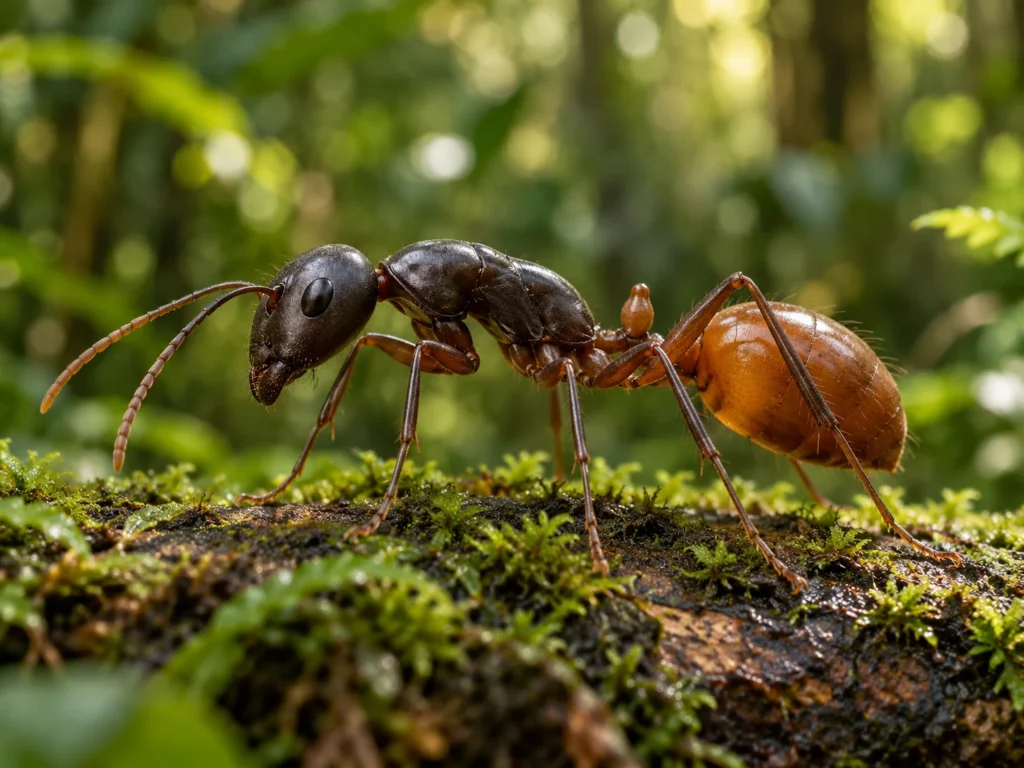
Dinomyrmex gigas, the giant forest ant, is among the largest ants in the world: workers measure about 20 to 28 mm and the largest workers can reach around 30 mm. It lives in the rainforests of Southeast Asia, from Sumatra and Borneo to the Malay Peninsula, Singapore and southern Thailand. Until 2016 it was usually listed as Camponotus gigas.
Most of its activity happens at night. Workers leave the nest around dusk, climb into the forest canopy to collect honeydew and return around dawn; honeydew and similar plant sugars make up about 90 percent of the natural diet. A colony is led by a single queen and spreads over several connected underground nests.
This is a species for experienced, patient ant keepers. Colonies grow slowly, need a roomy nest and high humidity, and most ant-keeping sources rate it Expert. If you are considering a colony, ask ANTELYX about current availability and what to expect before you decide.
Identification
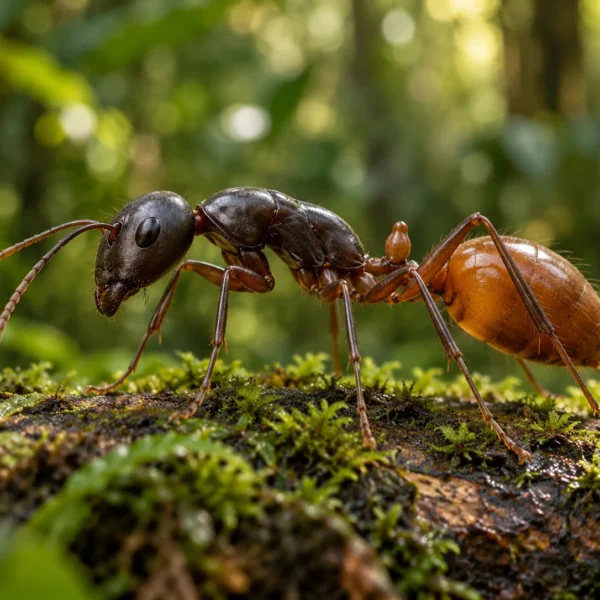
One of the largest ants in the world. The workers are glossy black with a contrasting orange to brown gaster, and the large majors have much larger heads than the smaller workers.
- Worker ant length
- About 20–28 mm; the largest workers (majors) can reach about 30 mm
- Worker ant colour
- Black, with an orange to reddish-brown gaster
- Queen length
- About 30–35 mm
- Worker ant sizes
- Dimorphic (two worker sizes)
Taxonomy notes. Until 2016 this species was usually listed as Camponotus gigas. The genus Dinomyrmex was then restored as a separate genus.
Natural habitat and range
Tropical rainforest, from peat swamp forest up to montane forest at around 1,500 m. Colonies nest in the soil, often at the base of large trees or between their buttress roots, and in fallen logs.
Rainforests of Southeast Asia, including Borneo, the Malay Peninsula, Sumatra and Singapore.
Behaviour
Foraging happens mostly at night. Workers leave the nest around dusk, climb into the forest canopy to collect honeydew and return around dawn.
Large workers of neighbouring colonies are known to take part in ritual fights at territory borders.
- Defensiveness
- Defensive when disturbed
- Visibility
- Mostly hidden or nocturnal
Colony development
A colony is led by a single queen. Once established it spreads over several connected underground nests.
Growth is slow: a young colony needs many months to produce its first workers. Two kinds of worker occur, many smaller workers that forage and a smaller number of large majors that defend the colony.
- Queens
- One queen (monogynous)
- Maximum size
- One studied wild colony had about 7,000 worker ants, spread over several connected nests.
- Growth
- Slow
Care requirements
Ant-keeping sources describe a tropical species that needs a roomy, moisture-holding nest at high humidity (about 70–80 percent in the nest) and regular access to sugary liquids, with insects as protein. It has no winter rest and is active all year. The sources disagree on the ideal temperature, from a constant 22 °C to about 24–28 °C, so no temperature figure is published until it has been confirmed.
- Humidity
- 70–80 %
- Nest type
- Large, moisture-holding nest, for example Ytong or gypsum, with big chambers
- Nest size
- Roomy chambers: workers measure up to about 30 mm
- Winter rest
- Not required
- Experience level
- Expert ant keepers: slow growth, high humidity needs and a very large ant
- Space
- Large
Feeding
In nature about 90 percent of the diet is honeydew and similar plant sugars. The rest is insects and other food sources.
Nest requirements
Nest type. Large, moisture-holding nest, for example Ytong or gypsum, with big chambers
Recommended nest size. Roomy chambers: workers measure up to about 30 mm
Available Colonies
Colonies of this species that are currently listed. Not sure which to choose, or want to know more? Ask us before you order.
Shipping notes
Whether this species can be shipped depends on your destination country. Check the shipping information before you order.
Frequently asked questions
Questions about this species.
What is Dinomyrmex gigas?
Dinomyrmex gigas, the giant forest ant, is one of the largest ants in the world and comes from the rainforests of Southeast Asia. It was formerly known as Camponotus gigas.
When is the giant forest ant active?
Mostly at night. Foragers leave the nest around dusk and return around dawn.
What does it eat?
In nature about 90 percent of its diet is honeydew. It also takes insects and other food sources.
Does it need a winter rest?
No. It is a tropical species and ant-keeping sources describe it as active all year.
How difficult is it to keep?
Ant-keeping sources rate it Expert: colonies grow slowly, need high humidity and a large nest, and the ants are very large.
How long do queens live?
Ant-keeping sources report queens living 15 to 20 years.
Is this species suitable for beginners?
The difficulty level is shown at the top of this page. The Ant Keeping guide explains what to expect at each level.
What is included in a colony?
Each product describes what is included. Colony contents vary by species and product.
Can this species be shipped to my country?
Availability depends on your destination. See the shipping notes above and the shipping page.
Related Species
Other species from the Ant Atlas.
Featured
Atta cephalotes
Hairy-headed leafcutter ant
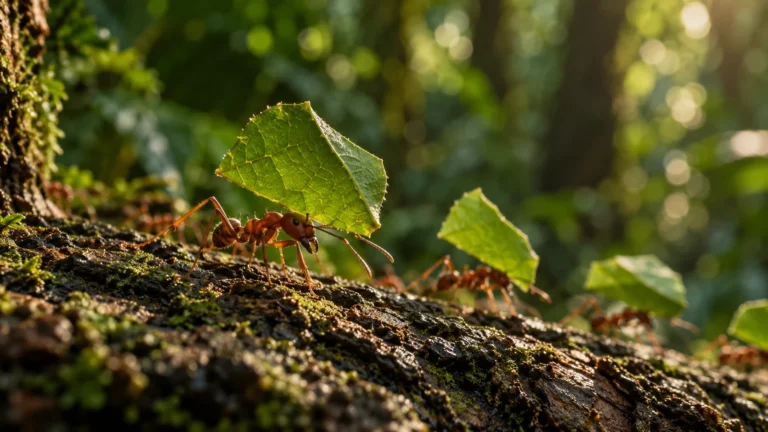
A leafcutter ant that grows its own fungus garden: a showpiece colony for experienced ant keepers, with millions of workers in nature.
- Origin
- Central and South America
- Difficulty
- Advanced level
- Type
- Leafcutter Ants
Currently unavailable
Featured
Myrmecia nigriceps
Black-headed bull ant
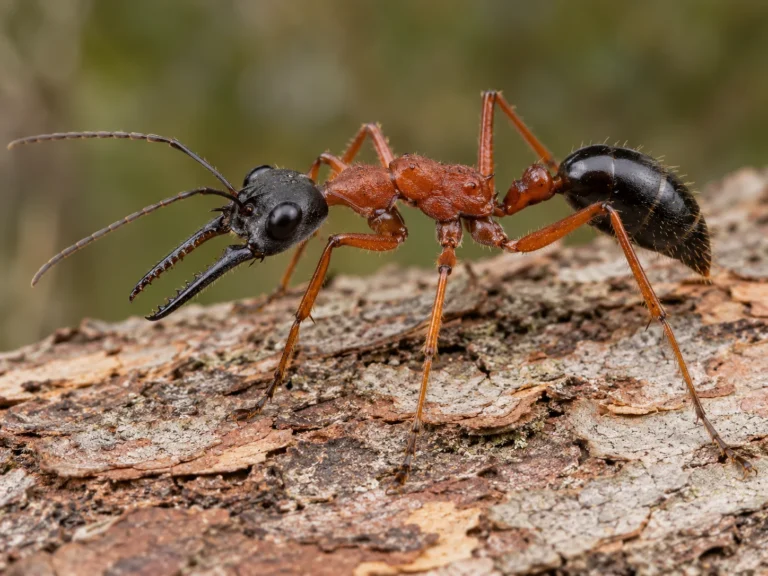
A large, sharp-eyed Australian bulldog ant with a powerful sting: a species for experienced ant keepers only.
- Origin
- Australia
- Difficulty
- Expert level
- Type
- Bulldog Ants
Ask about availability
Featured
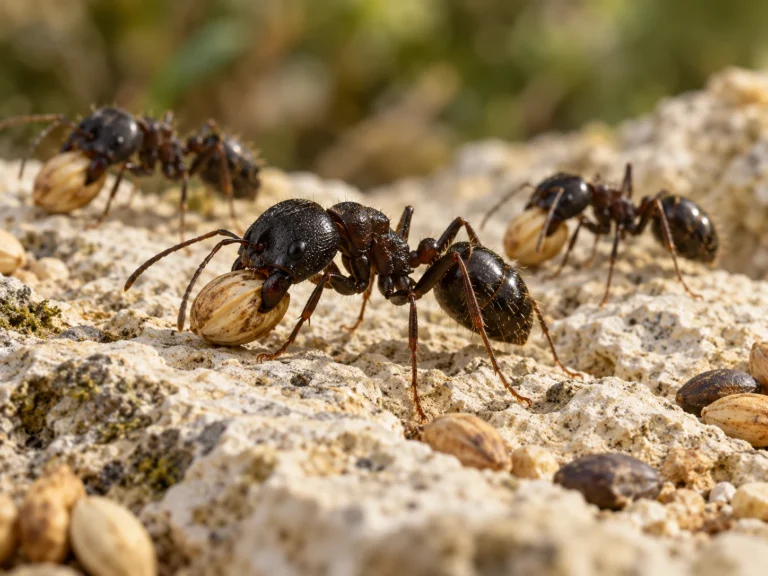
Messor structor
Harvester ant
A large seed-harvesting ant of southern and central Europe. Several queens, thousands of workers and a rewarding first harvester colony.
- Origin
- Southern and central Europe
- Difficulty
- Beginner level
- Type
- Harvester Ants
Ask about availability
Related guides
Advanced Ant Keeping
Dinomyrmex gigas Care Guide: The Giant Forest Ant
Dinomyrmex gigas care guide: humid nest, nocturnal activity, feeding honeydew-type foods, slow colony growth and what experienced ant keepers need.
Advanced Ant Keeping
Carpenter Ant Care: Keeping Giant Forest Ants and Relatives
Carpenter ant care explained: what carpenter ants are, what the giant forest ant Dinomyrmex gigas needs, nests, humidity, feeding and who they suit.
Advanced Ant Keeping
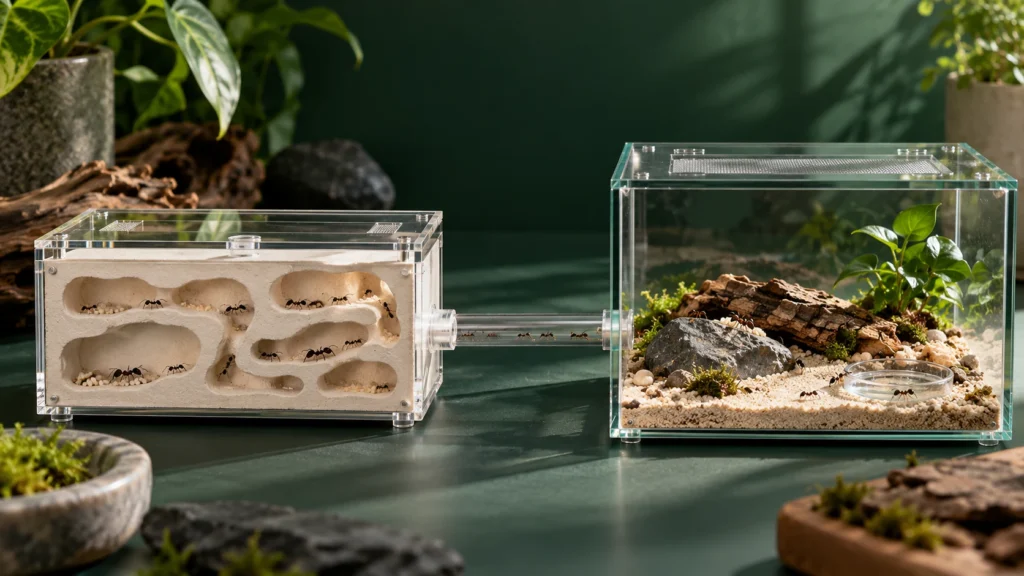
Advanced Ant Keeping: Moving Beyond Your First Colony
Ready for a second colony? How to move from beginner species to advanced ants: what to learn, which species to try next and how to plan.
Sources and further reading
- Wikipedia: Dinomyrmex en.wikipedia.org/wiki/Dinomyrmex
- The Wild Martin: Dinomyrmex gigas thewildmartin.com/ant-ecology/dinomyrmex
- AntScout: Dinomyrmex gigas antscout.com/species/dinomyrmex-gigas
- Ant-Shack: Dinomyrmex gigas ant-shack.com/pages/encyclopedia-entry/dinomyrmex-gigas
Interested in this species?
Have questions about availability, colony size, care requirements or shipping? Contact ANTELYX before you order. You do not need an account or a cart.
Images are AI-generated illustrations, not identification photographs.
