Messor barbarus

Harvester ant

Also known as European harvester ant (trade name; also used for other European Messor species)

  • Difficulty Beginner level
  • Origin Africa, Europe

A Mediterranean seed-harvester with one queen, around 10,000 workers and impressive trunk trails: straightforward and fascinating to watch.

Not currently listed

Origin
Africa, Europe (Southern Europe and North Africa)
Difficulty
Beginner level
Worker ant length
About 3–12 mm (up to about 14 mm for the largest workers in one source)
Colony size
About 10,000 worker ants on average
Queens
One queen (monogynous)
Winter rest
Required
Climate
Temperate

About this species

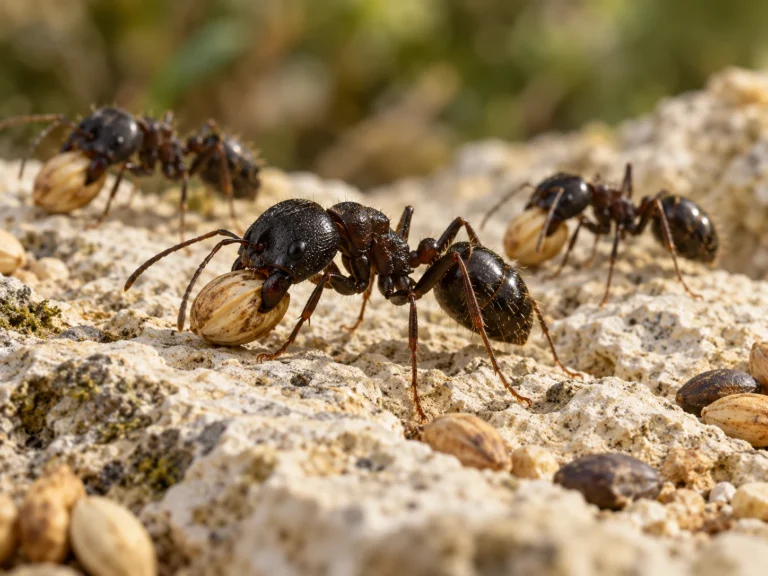
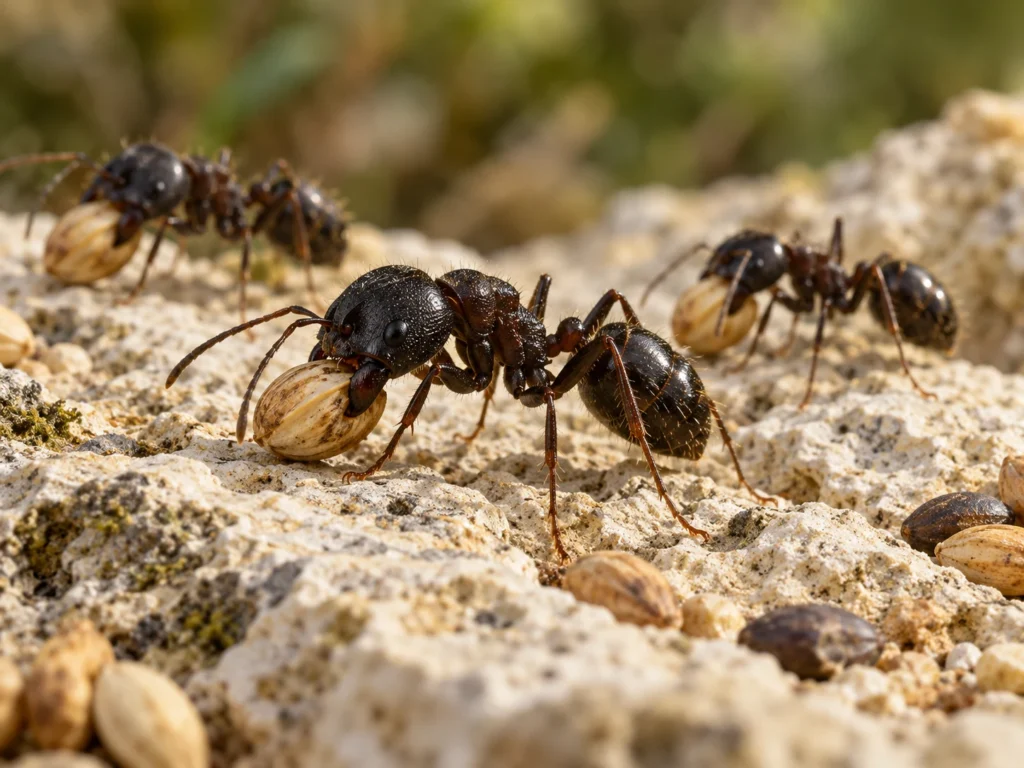
Messor barbarus is a seed-harvesting ant of the western Mediterranean, found in southern Europe and North Africa. In parts of Spain it is the most common ant in arable fields, where its workers follow permanent trails of up to about 30 metres to carry seeds home.

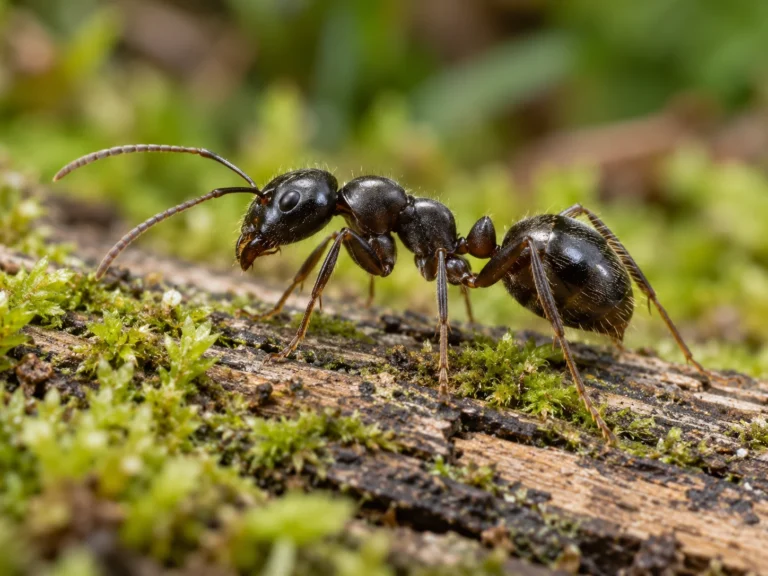
Workers vary clearly in size, from small minors to large majors, and each size class has its own job. A colony is led by a single queen and typically reaches around 10,000 workers, so it is rewarding to watch as it grows.

Ant-keeping sources describe it as suitable for beginners: it eats mainly seeds, tolerates room temperature and needs a cool winter rest. It is a close relative of Messor structor, which has several queens. Ask ANTELYX about the colonies available and how they are sent.

Identification

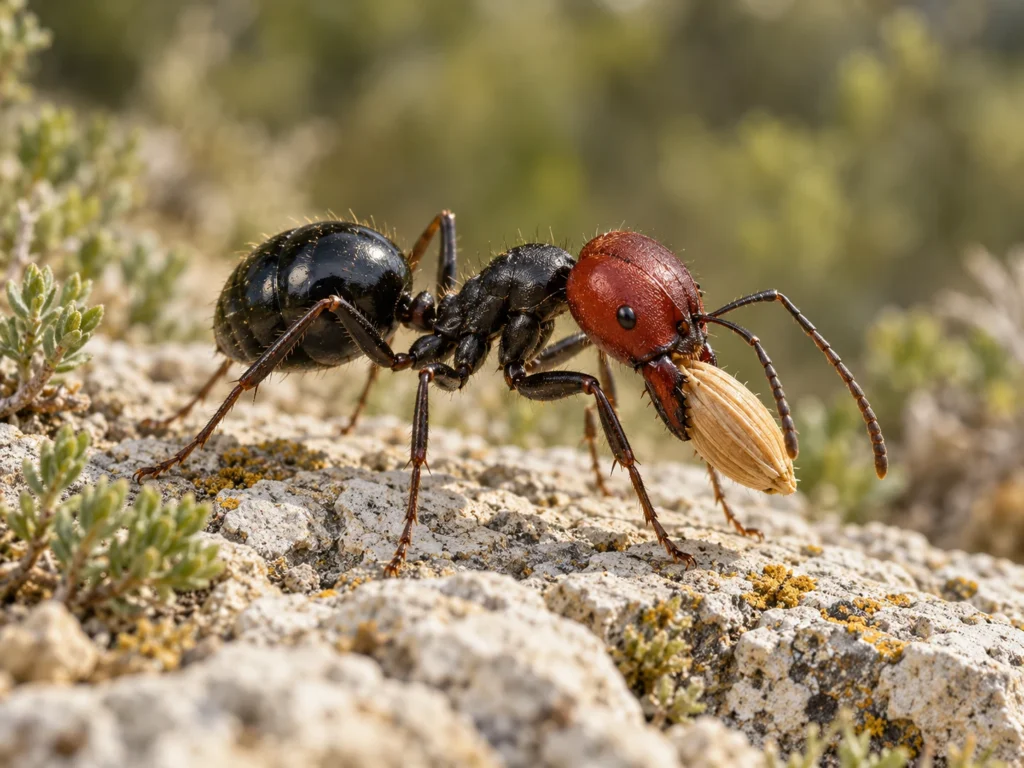
A large harvester ant with a clear range of worker sizes, from small minors to large majors.

Worker ant length
About 3–12 mm (up to about 14 mm for the largest workers in one source)
Queen length
About 14–17 mm
Worker ant sizes
Polymorphic (many worker sizes)

Taxonomy notes. Originally described by Linnaeus in 1767 and later moved to the genus Messor, which is why the authority is written in parentheses.

Natural habitat and range

Open, dry habitats including grassland and arable land. In north-eastern Spain it is the most common ant in arable fields.

The western Mediterranean: the Iberian Peninsula (Spain and Portugal), southern France and Italy, and North Africa.

Behaviour

Workers use permanent trunk trails of up to about 30 metres to carry seeds home. The three worker size classes share the work: smaller workers carry small seeds, medium workers lay the trails and the largest workers harvest the larger seeds. Recruitment uses scent trails and group or mass recruitment.

Colonies avoid the trails of other seed-harvesting colonies, but fights can break out when trails cross. They have also been recorded taking harvested seeds from other ant species.

Colony development

A single queen founds the colony alone in a sealed chamber and does not need to eat until her first workers appear (claustral founding).

Growth is described as moderate. One ant-keeping source suggests a foraging area from about 20–50 workers and a dedicated nest from about 50–100 workers.

In a founding colony the first workers emerge after roughly 8 to 18 weeks, depending on temperature (one ant-keeping source).

Queens
One queen (monogynous)
Typical size
About 10,000 worker ants on average
Maximum size
One ant-keeping source gives up to about 23,000 worker ants.

Care requirements

A nest temperature of about 22–25 °C suits the colony (ant-keeping sources give 20–26 °C). Keep the brood area moderately moist (about 50–60 percent) and the seed store dry. Seeds are the staple food, with small insects and a sugar source on the side. Most ant-keeping sources recommend a winter rest of a few months at about 10–15 °C; one source calls it beneficial but not mandatory for young colonies, and the length of the rest differs between sources (two to five months).

Temperature
22–25 °C
Humidity
50–60 %
Nest type
Ytong, plaster or acrylic nest with a moist brood area and a dry seed store
Nest size
Deep chambers: it is a deep-nesting species (one source suggests 20–30 cm of depth)
Winter rest
Required
Experience level
Beginner-friendly: a straightforward harvester ant

Feeding

Mainly seeds, which the workers collect and store. Ant keepers also offer small insects as protein and a sugar source.

Nest requirements

Nest type. Ytong, plaster or acrylic nest with a moist brood area and a dry seed store

Recommended nest size. Deep chambers: it is a deep-nesting species (one source suggests 20–30 cm of depth)

Available Colonies

Colonies of this species that are currently listed. Not sure which to choose, or want to know more? Ask us before you order.

There are currently no colonies listed for this species. If you would like to know about availability, ask ANTELYX.

Ask About Availability

Shipping notes

Whether this species can be shipped depends on your destination country. Check the shipping information before you order.

Frequently asked questions

Questions about this species.

What is Messor barbarus?

Messor barbarus is a seed-harvesting ant from southern Europe and North Africa. Workers vary in size and follow permanent trails to carry seeds to the nest.

How many queens does it have?

One. Colonies are monogynous.

How big does a colony get?

About 10,000 workers on average; one ant-keeping source gives up to about 23,000.

Does it need a winter rest?

Most ant-keeping sources recommend a winter rest of a few months at about 10–15 °C. One source calls it beneficial but not mandatory for young colonies.

What does it eat?

Mainly seeds, with small insects and a sugar source as additions.

Is it a good ant for beginners?

Ant-keeping sources rate it Beginner-friendly.

The difficulty level is shown at the top of this page. The Ant Keeping guide explains what to expect at each level.

Each product describes what is included. Colony contents vary by species and product.

Availability depends on your destination. See the shipping notes above and the shipping page.

Sources and further reading

Interested in this species?

Have questions about availability, colony size, care requirements or shipping? Contact ANTELYX before you order. You do not need an account or a cart.

Images are AI-generated illustrations, not identification photographs.

Shopping Cart
Scroll to Top